How a School Garden is Transforming Nutrition and Learning in Mukogodo
At ACTNOW KENYA, we believe that every child deserves access to nutritious food, quality education, and the opportunity to thrive. Yet in many rural communities, access to healthy meals remains a challenge, affecting not only children's health but also their ability to learn and participate fully in school.
Gideon Pirandoni
6/5/20262 min read
This reality became clear during our engagement with learners at Ng'abolo Primary School in January 2026. As we listened to students share their experiences, one message stood out: school meals matter. For many learners, access to lunch at school plays an important role in attendance, concentration, participation, and overall learning outcomes.
These conversations inspired the continued growth of the NKISHON Program, ACTNOW KENYA's school-focused nutrition and sustainable food systems initiative. The program combines nutrition education, school gardening, and agroecology to create practical learning opportunities that improve both food security and environmental awareness.
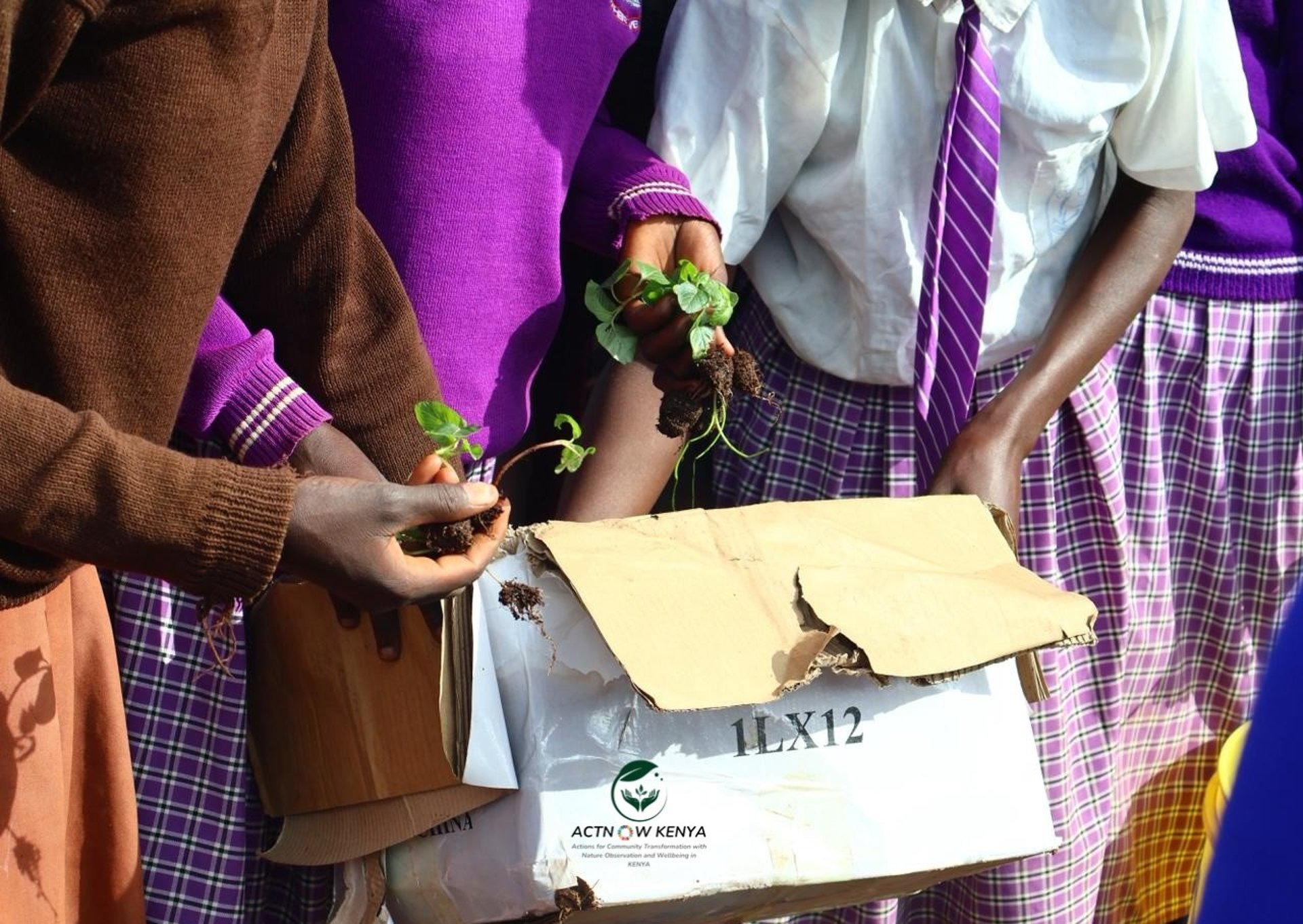
One of the program's earliest milestones was a nutrition and school gardening workshop facilitated by Susan Gathoni, which engaged 42 learners between the ages of 7 and 15. The workshop introduced students to healthy diets, food production, and environmental stewardship, planting the seeds for a longer journey toward sustainable food systems in schools.
“Children are not only beneficiaries of sustainable food systems. They are future food producers, environmental stewards, and leaders of resilient communities.”
Since our initial training, the program has expanded significantly.
Today, more than 65 children have received training in nutrition, gardening practices, and agroecology. These kids have chosen to actively contribute to planning, maintaining, and improving project activities. This hands-on approach helps the children develop practical skills while building confidence, responsibility, and leadership.
NKISHON Agroecology Hub
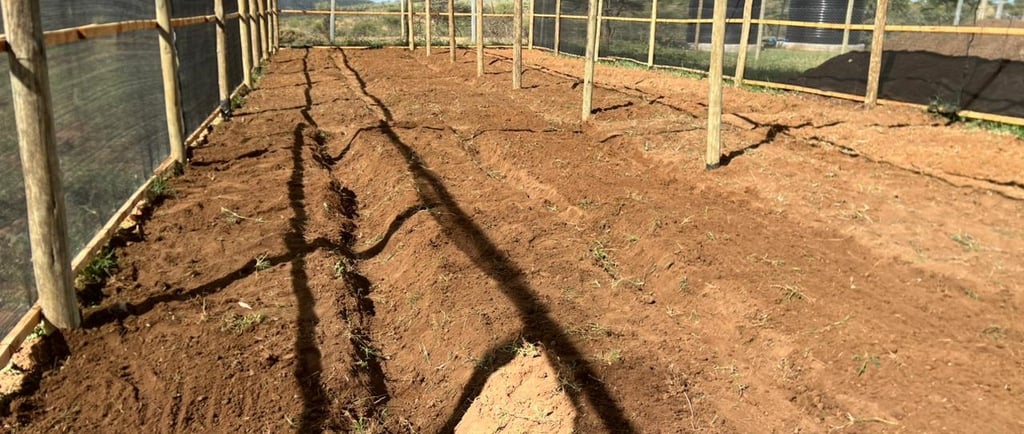
A key achievement of the program has been the establishment of NKISHON Agroecology Hub, a school vegetable garden that serves as a living classroom. Here, students learn by doing—growing vegetables, understanding food systems, and exploring climate-resilient agricultural practices. The garden provides a practical space where lessons in nutrition, environmental stewardship, and sustainability come to life.
The program has also engaged 14 teachers, strengthening environmental education within the school and helping ensure long-term sustainability. By equipping teachers with knowledge and tools, the program supports continued learning and mentorship beyond individual project activities.
Beyond the school compound, NKISHON is helping strengthen awareness around nutrition, environmental stewardship, and sustainable agriculture among families and community members. The initiative demonstrates how schools can become hubs for learning, innovation, and community transformation.
Most importantly, the program is inspiring young people to see themselves as contributors to positive change. Students are learning that they have a role to play in protecting natural resources, improving food security, and building healthier communities.
The vision of NKISHON extends beyond a single school garden. It seeks to contribute to stronger sustainable food systems across the Mukogodo Ecosystem by creating opportunities for children to develop lifelong knowledge and skills related to nutrition, food production, and environmental responsibility.
We are investing in children today—because this will help cultivate a future where communities are healthier, food systems are more resilient, and young people are equipped to lead positive change.